This is a sample first post for your blog.
This post is defined in content/blog/first-post/ and contains the following files:
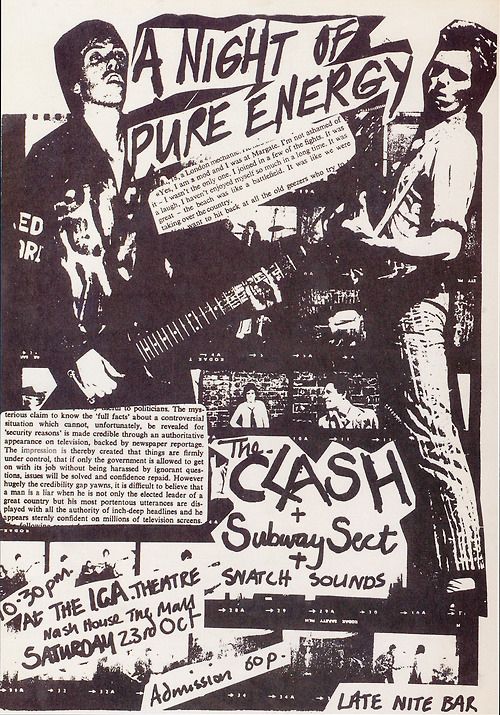
index.smdfanzine.jpg
Another interesting thing about this post is that it uses the layouts/post.shtml template which adds at the bottom page navigation within the blog section.
Enough about Zine, let’s talk about zines.
Fanzines
A zine (short for fanzine, from “fan” + “magazine”) is a non-professional publication created by people that want to express themselves in paper form, usually in relation to a cultural phenomenon of some kind.
Zines in the digital era
In the digital age, some of the cultural impetus behind zines got redirected to personal blogs and similar digital, non-professional publications. The 90’s and early 00’s are famous for their whacky websites full of clip art, wordart text and “under construction” animated gifs.
This initial organic exploration didn’t last for too long as the rise of social media diverted a lot of self-expression energy towards walled gardens, a change that was also fueled by the much tighter and intense feedback loop that those platform enable.
Likewise, corpowave never goes out of style on LinkedIn. Spend enough time in there and you will become a character from Severance.
We’re not in 1990 anymore
Despite all the issues with social media, there is no point in thinking of the 90’s as a better time. It was not. And despite the winks at the past, Zine is not a tool for indulging in nostalgia.
The goal is to make art: the act of inducing a change in others through our self-expression.
You could argue that the 90’s excelled at self-expression, but in doing so you would also have to accept that social media is infinitely more effective at inducing change in others (albeit at the expense of freedom of expression).